System overview

Field-validated — 14 days, dusty bench, no recalibration
HALO System
We left HALO on a test bench for 14 days with no tent and no recalibration. VICE held 0.8 mm mean anchor error while consumer headsets drifted by lunch. This is how we built it.
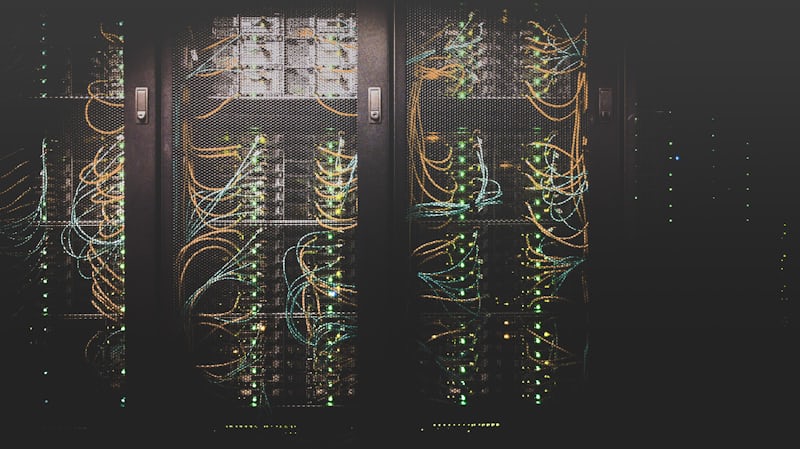
Lightfield optics
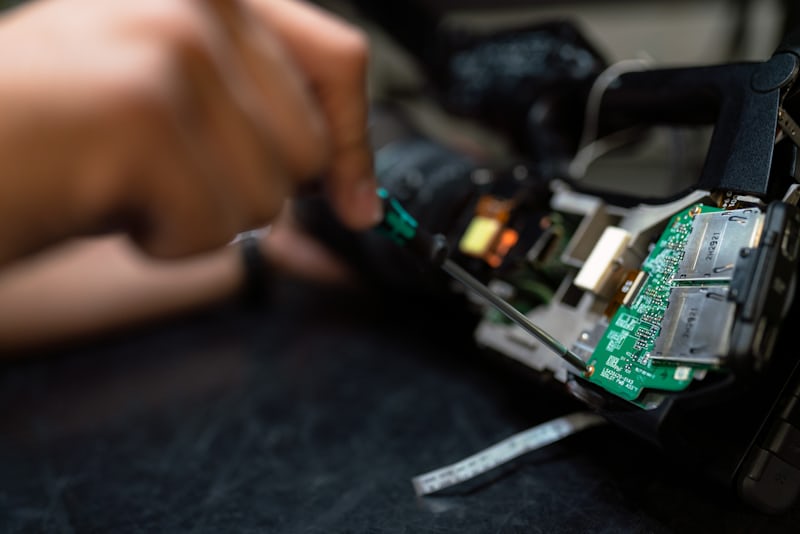
Magnesium sealing
VICE spatial anchoring
Why this hardware exists
Field teams need volumetric content that stays where you put it when the table moves and the lights flicker. HALO is not a headset, not a demo — it is a sealed, VICE-calibrated module you can bolt to a rig and trust.

Engineering & Calibration
We co-designed optics, mechanics and firmware. Every tolerance has a reason, every signal a path. Then we tortured the prototype in the environment it must survive.
The brief was simple: a 60-degree lightfield readable at arm's length without eye strain, sealed against dust, and able to hold spatial lock without a cloud. We mapped failure modes first — thermal, particle, flicker — then built the stack that survives them. The result is HALO Mk II, documented and manufacturable.